Source Portable Adjustable Book Cover for Home, Hotel, and Office
Explore 30 listings for a portable adjustable book cover designed to protect books while on the move. Compare options made from wood or plastic, featuring customizable sizes and eco-friendly materials to suit various household and commercial needs; compare the available evidence and request quotations based on your requirements.
Key considerations
Products List






Comprehensive Sourcing Guide
Portable Adjustable Book Cover Sourcing Guide
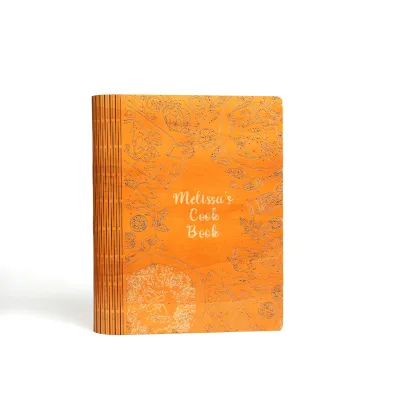
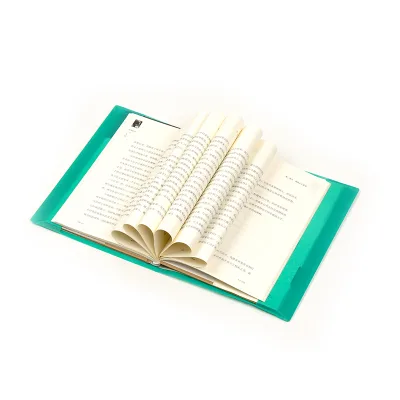
The market for portable adjustable book covers presents a diverse range of materials, from durable wood to flexible plastics, each serving distinct user needs. Buyers must distinguish between rigid wooden journals designed for home or hotel use and flexible PVC or PP covers intended for school or office environments. The observed product listings indicate that "adjustable" often refers to size customization rather than mechanical expansion, requiring careful verification of fit for specific book dimensions like A3, A4, or A5.
Procurement decisions should prioritize the intended application environment, as usage scenarios dictate material selection and durability requirements. Wooden covers emphasize eco-friendly attributes and decay resistance, making them suitable for long-term household or gift applications, while plastic variants offer waterproof and preservative qualities for high-traffic educational settings. Understanding these functional differences ensures the selected product aligns with the specific operational demands of the end-user, preventing mismatches between product capabilities and actual usage conditions.
Product Scope and Observed Listing Signals
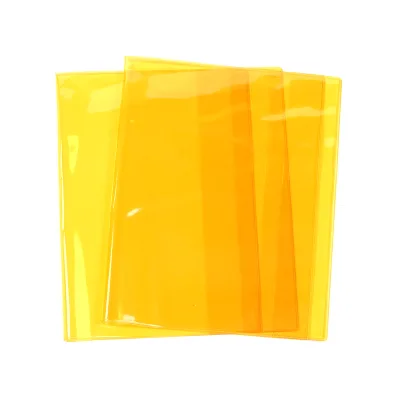
Current market listings reveal significant variability in product attributes, particularly regarding material composition and branding. Some suppliers offer wooden covers with natural or dyed finishes, featuring laser or ultraviolet printing capabilities for custom logos, while others provide transparent or colored plastic options with adhesive properties. The observed data shows that "portable" and "adjustable" features are often paired with specific size ranges, such as A3 to A5, or custom dimensions, necessitating a clear definition of requirements before engaging with vendors.
Buyers should scrutinize the listed advantages, which frequently include eco-friendly claims and high-quality construction, but must verify these against actual product samples. The presence of multiple color options, from natural wood tones to vibrant reds, blues, and greens, suggests a high degree of customization potential. However, the variability in minimum order quantities and packaging types, ranging from simple OPP bags to gift boxes, indicates that commercial terms and presentation standards vary widely across different supplier profiles.
Technical Specifications to Verify
Technical verification must begin with precise dimensional analysis, as sizes range from standard A-series formats to large custom dimensions like 50x30 cm. Buyers should confirm that the adjustable mechanism or sizing flexibility matches their inventory of books, ensuring a secure fit without excessive bulk. The thickness of plastic covers, observed in the 0.1 to 0.5 mm range, is a critical factor for durability and flexibility, while wooden covers require checks on grain density and surface treatment to ensure they meet the claimed decay resistance and durability standards.
Material composition is another vital specification, with options including solid wood, PVC, and eco-friendly PP. Procurement teams must validate that the stated material properties, such as waterproofing for plastic or eco-friendly status for wood, are substantiated by the supplier's production capabilities. Additionally, the single package size and gross weight, often around 30x25x6 cm and 0.3 kg respectively, influence logistics planning and shipping costs, making accurate specification confirmation essential for budgeting and supply chain efficiency.
Compliance and Safety Documentation
While specific certification data is not universally provided in the observed listings, buyers must request documentation confirming that materials meet relevant safety standards for the intended market. For plastic covers, verifying compliance with regulations regarding phthalates and heavy metals is crucial, especially for products used in educational settings or by children. The "eco-friendly" claims associated with both wooden and plastic variants should be backed by recognized environmental certifications or material safety data sheets to ensure they align with corporate sustainability goals.
Safety documentation should also address the manufacturing processes, particularly regarding the adhesives used in book covers and the inks applied for custom logos. Buyers need to ensure that laser printing or ultraviolet curing processes do not introduce hazardous residues that could compromise user safety. Requesting test reports for flammability, chemical migration, and mechanical strength helps mitigate risks, ensuring that the final product is safe for use in homes, hotels, and restaurants without posing health hazards to consumers.
Cost Drivers and Commercial Terms
Cost structures are heavily influenced by material selection, customization complexity, and order volume, with observed minimum order quantities ranging from 1,000 to 10,000 pieces. Wooden covers with custom logos and specific finishes typically command higher unit prices due to the labor-intensive nature of the production process compared to mass-produced plastic alternatives. Buyers must analyze the trade-off between unit cost and order volume, as larger orders often reduce the per-unit price but require significant upfront capital and storage capacity.
Commercial terms such as payment methods, including T/T and L/C, and packaging requirements significantly impact the total landed cost. The choice between simple OPP bags and premium gift boxes adds variable costs that must be factored into the budget. Additionally, the flexibility of the supplier to accommodate custom sizes and colors affects pricing, as non-standard specifications often incur setup fees or higher material waste. Understanding these cost drivers allows buyers to negotiate effectively and align procurement strategies with their financial constraints.
Supplier Qualification and Quality Control
Supplier qualification requires a thorough assessment of their production capacity and quality control systems, particularly given the high variability in product attributes observed in the market. Buyers should verify the supplier's ability to maintain consistent quality across different batches, especially when dealing with natural materials like wood that may exhibit inherent variations. Requesting samples and conducting pre-shipment inspections are essential steps to ensure that the delivered goods match the agreed-upon specifications for size, color, and finish.
Quality control protocols must address the durability and functional performance of the book covers, ensuring they withstand regular use without degradation. Suppliers should demonstrate a robust process for checking the adhesion of plastic covers and the structural integrity of wooden ones. Establishing clear acceptance criteria for defects, such as warping, peeling, or printing errors, helps maintain product standards. Collaborating with suppliers who have a proven track record in producing high-quality household sundries ensures a reliable supply chain and minimizes the risk of receiving substandard goods.
Long-Term Procurement Checks
Sustaining a successful procurement relationship involves regular performance reviews and continuous monitoring of supplier capabilities over time. Buyers should establish key performance indicators related to delivery reliability, product consistency, and responsiveness to customization requests. Periodic audits of the supplier's facilities can help identify potential risks in the supply chain and ensure that production standards remain aligned with the buyer's expectations. This proactive approach fosters a partnership based on trust and mutual growth, reducing the likelihood of disruptions.
Long-term checks also include evaluating the supplier's ability to adapt to changing market trends and regulatory requirements. As environmental regulations tighten, suppliers must demonstrate their capacity to source sustainable materials and implement eco-friendly manufacturing practices. Buyers should maintain open communication channels to discuss future product developments and potential improvements. By staying engaged with suppliers and regularly reassessing their performance, buyers can ensure a resilient supply chain that supports their long-term business objectives and adapts to evolving consumer demands.
FAQs
What materials are used for portable adjustable book covers?
Portable adjustable book covers are typically crafted from durable wood or eco-friendly plastic materials like PVC and PP. Wood options offer natural aesthetics and decay resistance, while plastic variants provide waterproof and preservative qualities. Buyers can choose between natural wood tones or customizable colors such as red, blue, or transparent finishes based on their specific protective needs and design preferences.
Can I customize the size of a wooden book cover?
Yes, many suppliers offer customized sizes for wooden book covers to ensure a perfect fit for various notebook dimensions. Standard options often include A3, A4, and A5 formats, but manufacturers can produce specific measurements upon request. This customization ensures the cover protects the book surface effectively while maintaining the desired aesthetic and functional portability for household or hotel use.
What is the typical MOQ for ordering book covers?
The minimum order quantity for book covers varies significantly by material and supplier. Wooden journal covers often have an MOQ of 1,000 pieces, while plastic adhesive or PVC covers may require 5,000 to 10,000 pieces per design. Buyers should verify specific MOQ requirements with manufacturers, as these thresholds directly impact pricing tiers and production scheduling for bulk procurement orders.
Are portable book covers eco-friendly and durable?
Many portable book covers are designed with eco-friendly features, utilizing sustainable wood or recyclable plastics like PP. These materials are selected for their durability and resistance to decay or wear. Wooden covers provide natural strength, while plastic options offer waterproof protection. Both types emphasize long-term usability, making them suitable for frequent travel or daily household use without compromising environmental standards.
How can I add my logo to a book cover?
Suppliers typically offer multiple logo customization methods, including laser engraving, UV printing, or standard printing on wooden and plastic covers. Buyers can provide their design files for application on the product surface. This branding option allows for distinct corporate or personal identification. It is advisable to confirm logo placement and color accuracy with the manufacturer before finalizing the bulk order production.
Where are portable book covers mainly manufactured?
Portable book covers are primarily manufactured in China, with significant production hubs located in Guangdong and Hunan provinces. These regions offer established supply chains for both wooden and plastic materials. Buyers sourcing from these locations benefit from competitive pricing and efficient logistics. It is recommended to verify the specific place of origin for each product to ensure alignment with sourcing preferences and quality expectations.